
Concern over rise in sickness rates within health board department
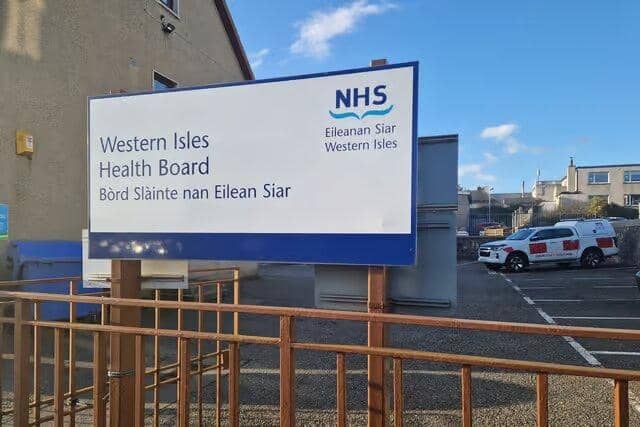

The department within NHS Western Isles which deals with public health promotion has seen a significant rise in sickness rates, prompting the Health Board to issue a denial over suggestions of a staffing crisis.
According to figures released by the Health Board in response to a Freedom of Information request by the Gazette, the number of days lost to sickness within the Public Health Directorate rose more than four times from 237 to 1064 between the years 2024/25 and 2025/26.
There are 45 employed within the division and it covers four departments: Health Promotion, Information Technology, Public Health and the Public Health Intelligence & Info Service.
Questions are now being asked of leadership and the wider Health Board, as the figures coincide with the Director of Public Health, Colum Durkan, coming into post in 2024.
The lost number of working days, according to the FoI, is accompanied by a rise of nearly five times in costs for sickness absence from £41,672 to £199,326 between the same two years.
Absences were most notable among more senior staff, with around half of the absences being from staff in band six posts or above. Staff absences from staff in band six or above posts went up from
… 17 to 37 between 2024/25 and 2025/26.
The rising sickness trend is not mirrored in other NHS Western Isles directorates. Other data from the FoI response shows just a slight increase throughout the other directorates.
A former member of Public Health staff said that the “findings are definitely significant” and urged the leadership to address the problem, “difficult as it may be”.
A spokesperson for NHS Western Isles responded: “We do not agree that there is a staffing establishment crisis in our Public Health Department. During 2024, the Director of Public Health reviewed the structures and an organisational change was completed.
“The figures released under FOI provide a snapshot over a defined period, but they do not, in themselves, explain the reasons behind the data.
“Drawing conclusions – including linking variations in sickness absence to a particular individual or point in time – is not possible without a much fuller analysis that considers a wide range of contextual factors.”
They said the public health directorate was “almost fully staffed” and the figures for current vacancies and recruitment “reflect normal turnover”.
They added: “When the current Director of Public Health commenced in March 2024, there were seven staff on temporary contracts. This has been reduced significantly. Replacing temporary and fixed term contracts with permanent posts is better for employment security, staff wellbeing, retention and organisational stability.
“Some additional factors that would need to be considered are national workforce pressures, recruitment challenges affecting NHS Scotland as a whole, the impact of long‑term illness, vacancies, service redesign and short‑term fluctuations within small teams.”
They claimed: “Current long-term absence is extremely low in the directorate. As a small health board, NHS Western Isles can experience percentage changes that appear significant but are based on relatively small absolute numbers. This makes careful interpretation particularly important.”