
Funding for croft house grants halved
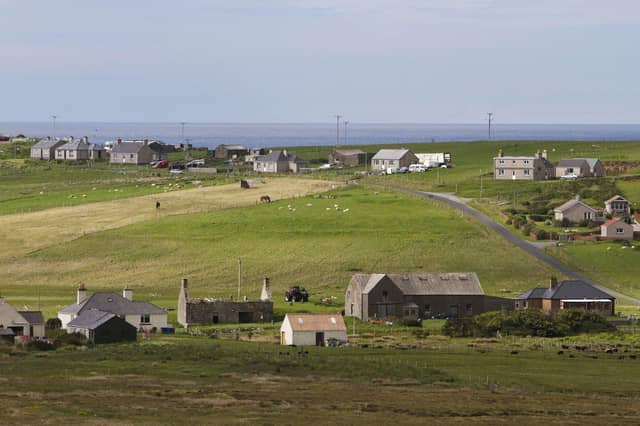

The Scottish Crofting Federation has condemned “drastic reductions made to the Croft House Grant Scheme in this year’s budget, with overall funds being only half of what had been allocated last year”.
Historically, the scheme was responsible for the vast majority of new building in rural area of the Western Isles but has been steadily eroded by funding caps and the restrictions imposed
Scottish Government officials have confirmed the cuts “but not yet given any further explanation”, the SCF said. It is understood the cut will reduce the fund, across the Crofting Counties, from £2 million to just over £1 million, which could equate to as few as 30 houses.
The maximum grant for new build or restoration in the islands is £38,000 while it is £28,000 on the mainland.
The SCF statement said: “Low uptake does not mean that there is no need but rather demonstrates that individual grants at current levels are not reflecting cost realities and do not provide enough support to make building croft houses affordable for those most in need of support.”
SCF chief executive Donna Smith said they are now gathering examples of where people have been turned down for various reasons, in order to prepare a case for the cut to be restored and the fund made more accessible as a tool for countering depopulation.
Mrs Smith said: “The budget for the CHGS must, at a minimum, be lifted up to previous levels next year. In addition, we urge government to reintroduce the previously existing croft house loan, as even with grant funding, building costs in many crofting areas have become simply unaffordable for young local families.”
The chairman of Comhairle nan Eilean Siar’s sustainable development committee, Donald Crichton, is a longstanding advocate of the Fund being restored to historic levels and the loan element reintroduced.
In response to the latest cut, he said: "If there was a properly funded Croft House Grant Scheme it would go some way to addressing the housing shortages in our crofting communities. The Comhairle has long campaigned for a realistic increase in the grant and for the reintroduction of the loan element to the scheme, unfortunately to no avail.
“The scheme has been viewed as a nuisance by Scottish Government ministers and civil servants over the years and I think they would have cut it entirely if they thought they could get away with it.
"Instead of investing in this scheme to tackle depopulation and sustain crofting communities they choose to undermine it and make it a bureaucratic nightmare for those who apply."
Labour candidate and former SCF chair, Donald Mackinnon said: “Like so many, I grew up in a house built with the grant and now live in one that was improved through the scheme.
"Now all we hear are stories of young people being turned down due to the draconian assessment criteria. Far from cutting the scheme, Scottish Government should be investing in it, relaxing the criteria and opening the opportunity of building a home to more crofters.”
EDITORIAL COMMENT: How a great scheme is now being killed off
Set against political rhetoric about stemming depopulation, the swingeing cut to the Croft House Grant Scheme is as incomprehensible as it is indefensible. This scheme cries out for restoration to its former glory by any government interested in the survival of crofting communities. Not a huge cut!
Most rural housing in the Western Isles was built with support from the old Crofter Housing Grant and Loan Scheme. Many of these houses now need renovated or replaced. New houses are desperately needed. The scheme as it stands only nibbles at the edges of that challenge.
From an Edinburgh perspective, it is easier to build blocks of social housing, preferably on the edges of Stornoway, at a cost of several hundred thousand pounds per unit than to increase the miserly £38,000 cap on the Croft House Grant Scheme to a realistic figure.
On top of that, restrictive criteria and bureaucracy eliminate even the most obvious cases to which the scheme should apply. Now, having curtailed demand so effectively, they triumphantly announced that, because the money is not being spent, it is being halved.
Famously, the old scheme gave the public purse a better bang for its buck than any other form of investment in housing. The history of how that vital scheme has been pushed to the point of non-existence tells us a great deal about how Edinburgh actually cares about the decline of crofting communities.