
Heart surgery world first for Stornoway retiree
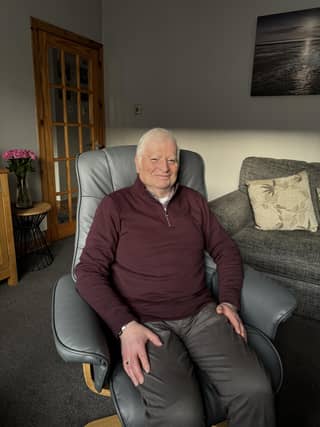

A retired lorry driver from Lewis has created a world first in heart surgery – by undergoing a clinic trial at a Scottish hospital using pioneering gene therapy.
John MacDonald, 73, volunteered to take part in the new study, led by NHS Greater Glasgow and Clyde and the University of Glasgow, which uses a graft of a vein in another part of the body for coronary artery bypass surgery.
Medical professionals are hugely excited that this new procedure will significantly improve patient health and recovery.
John, from Stornoway, became the first person to receive the treatment after he suffered a heart attack at home at the beginning of August 2025.
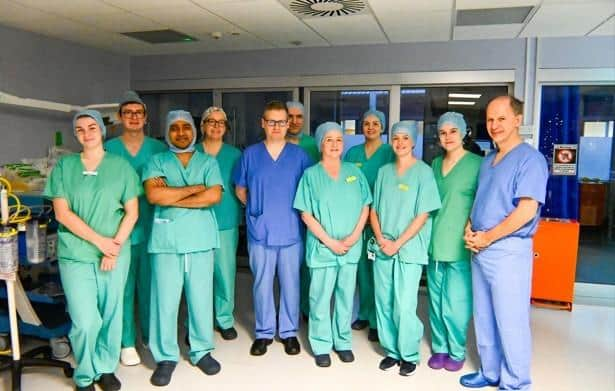
He was flown to Golden Jubilee University National Hospital in Clydebank, where he underwent open heart surgery, with surgeons using a vein in his leg as a graft to create a new route for blood to flow to his heart.
During the operation, researchers treated the vein to be grafted with a protein tissue, a process known as “TIMP-3”.
Vein grafts used in this type of surgery can normally fail because they are not naturally designed to withstand the high pressure of blood flow from the heart, but it is thought that by treating them with TIMP-3 it will help prevent thickening and blockage over time, potentially prolonging effectiveness well beyond the current standard and reducing rates of failure.
The TIMP-3 gene therapy medicine has been developed over several years but has only recently been manufactured into the final product for use, culminating in the opening of the clinical trial.
John, who previously had stents fitted following a cardiac arrest at the age of 60, is now recovering well from his surgery, and told how he feels “on top of the world” with renewed energy and physical abilities.
The grandad-of-three said: “I can’t get over how I’m feeling. I was managing to go for walks two or three weeks after getting out of hospital, I’m driving again now, and I've been doing wee bits around the garden.
“I can go up and down the stairs in the house now, I don’t feel lethargic anymore. I’m sleeping a lot better than I ever was. My health is just fantastic.”
He added: “I feel 100% better than I was after I got my stents 13 years ago. I’m really feeling good - I feel on top of the world actually.”
The pioneering study is sponsored by NHS Greater Glasgow and Clyde’s Research and Innovation Directorate in partnership with the University of Glasgow and in collaboration with NHS Golden Jubilee and the University of Edinburgh and marks a major milestone in cardiovascular research.
John encouraged others to consider taking part in clinical trials and studies designed to improve outcomes and care for patients.
He said: “All of the medical staff and the research team explained exactly what they were going to do, it was very detailed and I knew what to expect.
“They also stressed that I was under no obligation to volunteer, and gave me time to discuss it with my family.
“My wife and I thought, well, if it’s going to benefit me in the years to come, and benefit others in the future because it has been through this trial, then I would like to do that.
“This experiment could not only prolong my life, but it could prolong my healthy years.
“I’m glad to be helping the clinical and research teams achieve what they are trying to do, and I’d encourage others to consider taking part in studies like this one that could help many people in the future.
“We as a family are forever grateful to a magnificent team of surgeons, doctors and nurses who have fixed my failing heart and given me my quality of life back.”
Colin Berry, Professor of Cardiology and Imaging at the University of Glasgow and Interventional Cardiology Consultant, is one of the cardiologists leading the research with patients treated at NHS Golden Jubilee.
He said: “Heart bypass surgery is a life-saving treatment for patients with coronary heart disease and millions of people around the world are living longer due to the benefits of bypass surgery.
“The heart surgeon will typically use one artery and two or more veins as bypass grafts.
“However, in the years after surgery, the veins commonly narrow and may block leading to angina, heart attacks and heart failure.
“Our team has developed a new approach to prevent vein graft failure. The new gene therapy has been developed during more than two decades of teamwork involving many experts working in collaboration.
“We are delighted to be leading this new study which is designed to clarify the feasibility and potential benefits of this new therapy for patients undergoing heart bypass surgery.”
Professor Jesse Dawson, Director of Research and Innovation at NHS Greater Glasgow and Clyde, added: “This study marks an exciting milestone for cardiovascular research and patient care.
“By using gene therapy during bypass surgery, we aim to improve the durability of vein grafts and reduce the risk of complications over time.
“Our ultimate goal is to help patients not only live longer but enjoy a better quality of life after surgery.
“Our team in the Research and Innovation department worked really hard to get this unique study up and running and we are proud to lead this world-first trial in partnership with the University of Glasgow and our NHS Golden Jubilee colleagues. We are grateful to patients like John who make this vital research possible.”