
HPMAs version 2 – “is it much the same again?”
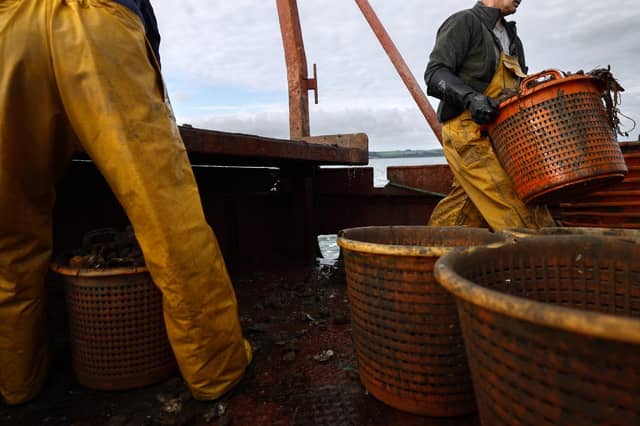

There was an air of weary resignation this week as a four month consultation was launched by the Scottish Government over “HPMA2”.
Revised proposals for management of protected marine areas run to 900 pages. Initial reaction was that the impact on the Western Isles would again be “disproportionate” and that this time, “the Minister must listen”.
Duncan Macinnes, secretary of the Western Isles Fishermen’s Association, said it had been clear since the HPMA plans were abandoned in the face of united opposition, there would be new proposals for designated areas “so this has been on the cards since HPMAs were not proceeded with.
“From what we have seen, the impact on areas like the Western Isles which are already disadvantaged would be disproportionate”.
He said the proposals again failed to take account of local management measures and developments in technology. Mr Macinnes said: “We firmly believe that the current levels of effort are very much in balance with conservation needs and that the technology exists which can do far better zoning than what is being imposed”.
Mr Macinnes said: “What we are seeing is areas that have been sustainably harvested for a generation being closed. This will impact on the processing sector in Stornoway, Uist and Barra, particularly by a reduction in scallops being landed.
“Bottom trawling and scallop dredging are being targeted as well as netting for crayfish and high value species in SPAs for birds which cover very large areas of seabed.
“The cumulative impact on the islands will be significant. The percentage of scallop grounds lost will be significant, if this goes ahead. If these vessels are displaced, there will an intensification of effort on less ground which will not be beneficial for conservation of stocks”.
Mr Macinnes insisted that “this time the Minister must listen”. He said that the current Fisheries Minister, Jim Fairlie MSP, had given that assurance and it was now imperative that he engaged with island communities and the knowledge they possess.
Donald Mackinnon MSP said: “After putting it on hold prior to the election, the Scottish Government has finally launched the long-awaited consultation on inshore marine protection. Following their disastrous 2023 HPMA consultation it is no wonder the SNP have been cautious about reopening this discussion.
“Unfortunately, it looks like they are repeating the mistakes of the past by once again putting at risk the future of fishing communities. It is now essential that the industry engages fully with the consultation on the detail of the proposals”.
Hector Stewart of Kallin Shellfish in Uist said: “There is an awful lot of stuff to go through. These consultations never seem to stop and you would have to be immersed in it full-time to give a proper response.
“My first impression is that it’s much the same again. The first thing you notice is that it is all about here – the west coast from Argyll north. There is practically nothing on the east coast”.
He said proposals for protected areas would mean “you can sail through it, you can cut seaweed, you can swim in it but you can’t work as fishermen”.
The proposed measures cover Marine Protected Areas and Priority Marine Feature management areas and “aim to protect important habitats and species while supporting sustainable fisheries and the coastal communities that depend on healthy, productive seas”.
The consultation covers more than 160 sites and areas across inshore waters and will remain open until 18 January 2027, “giving people a longer than usual opportunity to share their views”.
There will be 26 in person drop-in events around the coast of Scotland and 17 online events for people to ask questions and provide support in responding to the consultation.
Mr Fairlie said: “We know that any change to how our seas are managed touches something deeper than policy: it touches people's homes, their traditions, and their sense of place.
“However, we also know that marine ecosystems across the world face increasing pressures from climate change, ocean warming and habitat loss - and Scotland is not immune to these challenges. That’s why I am determined to protect our oceans in a way that is fair and ensures they remain a source of prosperity.”