
CalMac report warns of “reliability challenges”
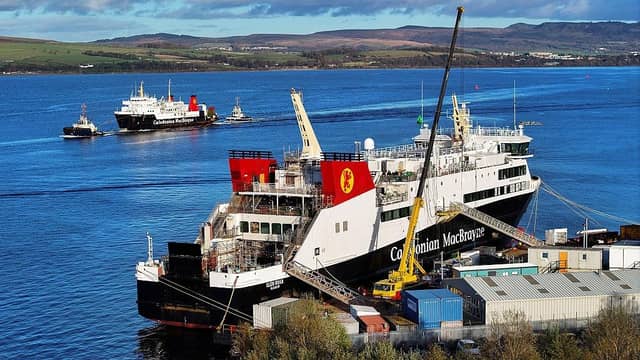

Islanders have been warned by CalMac’s leadership team that “the age, condition and complexity of the fleet increase the risk of vessel unavailability, which could impact the Group’s ability to deliver a reliable service”.
The annual report of David MacBrayne Ltd, the parent company, states: “This remains a principal risk pending the introduction of new vessels”. It also warns that “there is a risk Transport Scotland’s future budget allocation for ferry services is lower than required to deliver (the new contract)”.
CalMac are pinning hopes on the arrival of fleet reinforcements while older vessels are pensioned off. However, timescales remain far from clear and continuing delays in vessel replacement mean that little certainty attaches to plans for next year.
The ‘Glen Rosa’ is scheduled to emerge from the Ferguson yard eight years late in 2027 while the Turkish-built ferries for the Uig-Tarbert-Lochmaddy routes have been pushed back well into next year and the inter-island small vessels for the Sounds of Harris and Barra have not yet been ordered.
The annual report states: “This remains a principal risk pending the introduction of new vessels”. It also warns that “there is a risk Transport Scotland’s future budget allocation for ferry services is lower than required to deliver (the new contract)”.
The report states: “Increasing weather and technical‑related disruption has had a visible impact on actual reliability and punctuality, contributing to a gradual decline over the period despite our continued focus on operational delivery.
“This reinforces the importance of fleet resilience and operational flexibility, with committed investment in new vessels expected to support a reduction in technical disruption and improved reliability trends over time”.
Though the costs of maintaining the ageing fleet are not specified, the report states: “Other cost pressures include the impact of the ongoing programme of vessel maintenance and resilience projects”.
It adds: “Through the roll out of our vessel condition assessment programme, we supported the identification of age-related issues across major and small vessels to support a more proactive approach to maintenance planning. This included the roll-out of a new vibration analysis system which acts as an early warning diagnostic tool to detect faults”.
Operating profit in the year was £10.2m, up from £5.8m the previous year, boosted by an inflation busting fares increase of ten per cent applied last year.
In a joint introduction, the Copenhagen-based chairman, Erik Østergaard, who is unknown in the islands but has been a central figure in CMAL and CalMac throughout the calamities of the past decade, and chief executive Duncan Mackison state: “Throughout this financial year, our network continued to face challenges, with the most significant being fleet resilience.
“Ageing vessels, technical faults, overhaul pressures and periods where several vessels were unavailable at once reduced flexibility across the network and made it harder to provide reliable and consistent services. Weather also played a significant role, affecting reliability, punctuality and cancellations”.
They add however that a decade-long contract award “offers stability and allows us to plan with confidence for the years to come”.