
Viking genes screening could be a “game changer”
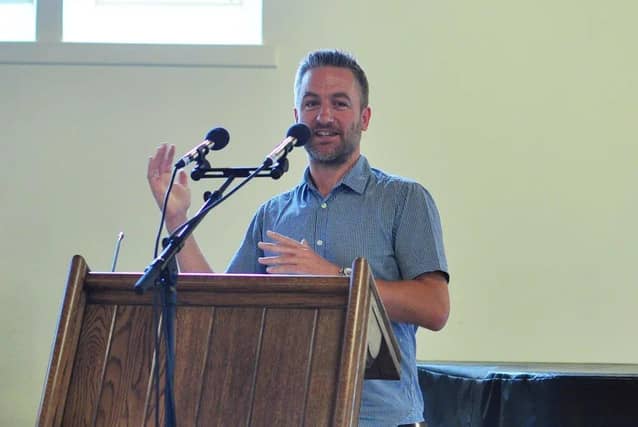

Efforts are underway to raise £1 million from public and private sources to fund a screening programme which could be “a game-changer for health in the Western Isles”.
The intention is to screen 5000 people, to identify faulty genes which lead to iron-overload disorder, haemochromatosis, and the diseases which flow from it. The Western Isles population is three times more likely than the UK’s as a whole to inherit the condition.
Professor Jim Flett Wilson, leader of the Viking Genes project at Edinburgh University, told the Gazette in advance of speaking to NHS staff in Stornoway: “I will highlight a number of genetic health risks in the Outer Hebrides, particularly for haemochromatosis and inherited high cholesterol, which if untreated lead to liver cancer and heart attacks, respectively.
“Viking Genes has discovered greatly increased risks of these diseases in the Western Isles. Luckily both are treatable and even preventable, but only if you are aware you are at risk, which is why I believe community genetic screening is required.
“This is a form of preventative medicine, so we can find the at-risk people before they become ill. Everyone knows prevention is better than cure. We have also recently discovered a worryingly high frequency of a variant causing cardiac arrest in the young, which should also be screened for.
“I think a ‘one-stop shop’ approach would be the most cost-effective to find those at risk of these conditions, and others that are common all over Scotland, like cystic fibrosis.
"I am therefore proposing the Hebrides Community Screening Project to address this unmet need”.
The funds would allow them to “screen 5000 islanders and return potentially life-saving information to them, together with advice from the NHS on how to access pathways of care”.
The Viking Genes study showed that people in the Western Isles have a one in 62 chance of inheriting the faulty genes compared to one in over 200 across the UK.
Torcuil Crichton MP, who inherited the condition, said mass screening “could be a game changer for health in the Western Isles”.
"I’m really glad NHS Western Isles have offered Professor Wilson this opportunity to speak to staff. it shows how seriously they take predictive and preventive health care,” he added.
"The next challenge is to raise enough funds to offer community-wide testing so that people can be made aware of the conditions and whether they carry the determining gene.”
While the £1 million target is ambitious in the current climate, the results would be of huge benefit to current and future generations in better understanding the condition.
Shetland has already raised £200,000 towards a similar programme.