
Loganair accused over £2m fuel surcharges
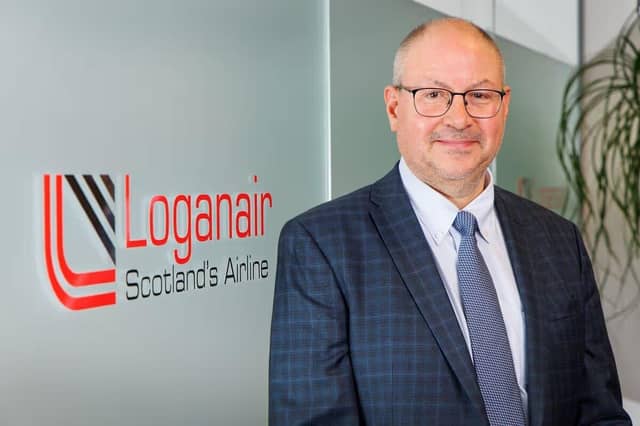

A dossier sent to the chair of Holyrood’s Transport Committee claims that Loganair has received around £2.1 million “excess revenue” over the past six months by increasing the fuel surcharge on flights.
The calculations suggest that about half this amount has come from the company’s Highlands and Islands routes where the standard fuel surcharge has risen from £7 per return journey to £27 since the start of the Iran war.
Detailed calculations seen by the Gazette are based on public statements made by Loganair executives, trends in aviation fuel prices and details of passenger numbers.
Attention is drawn to an interview with the chief executive, Luke Farajallah, in March when he said the airline had already acquired half the fuel it would need for 2026 and that 20-25 per cent had recently been added to stocks.
The £27 addition to each return journey is outwith basic fares and does not therefore benefit from the Air Discount Scheme.
An aviation industry source told the Gazette: “They keep saying the cost of aviation fuel has gone up since the Iran war started, which is true. What they do not say is that they are not paying most of it because they hedged 75 per cent of the costs.
“Like most airlines, Loganair hedge fuel. Their 2024-25 accounts show they had forward bought around 80 per cent of their 2025-26 fuel which is consistent with what Mr Farajallah said in March about the current year”.
The Transport Committee at Holyrood – of which Isles MSP, Donald Mackinnon, is a member – has shown keen interest in Loganair, after the airline withdrew lifeline island links with Inverness.
They eventually agreed to restore them in return for £1 million from the Scottish Government. The chair, Willie Rennie MSP, has committed to resuming the inquiry.
After seeing the dossier, Torcuil Crichton MP said: “These figures appear to show that Loganair banked fuel by buying ahead and then banked profits by increasing the cost of air fares. The company has to explain itself. This is effectively a monopoly air service and there is a growing case for the Competitions and Markets Authority to look at how it is run”.