
NatureScot’s peatland objection to Spiorad na Mara

The Scottish Government quango, NatureScot, has become an objector to Spiorad na Mara windfarm and onshore works associated with it, quoting an international treaty for the protection of wetlands.
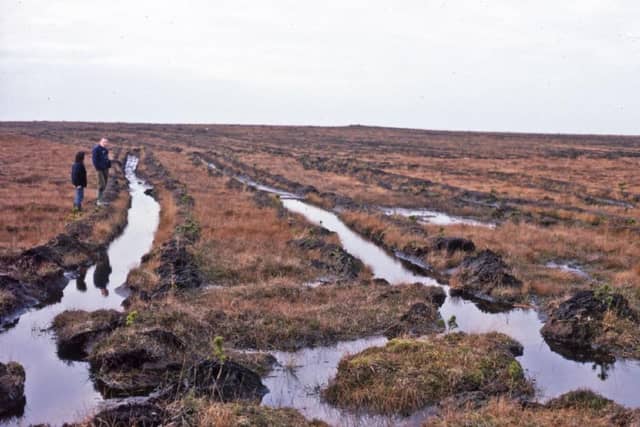
Lewis Peatland is a Ramsar Site – the designation is named after the Iranian city in which the treaty was signed – “for its freshwater and peatland habitats”, says NatureScot in its submission to Comhairle nan Eilean Siar.
It continues: “The proposal could affect internationally important natural heritage interests and we therefore object to this proposal”. The submission notes: “If the planning authority intends to grant planning permission notwithstanding this advice, then you must notify Scottish Ministers”.
The objection raises another significant hurdle for the developers, Northland Power, and raises further questions about why the Scottish Government designated the N4 site under the ScotWind programme, in full knowledge of the route onshore infrastructure would follow.
In 2008, the Lewis Wind Farm proposals were turned down on similar grounds to those quoted in the NatureScot response. Comhairle nan Eilean Siar has already agreed to object to the offshore developments while the council itself is planning authority for onshore works – though a decision can be called in by the Scottish Government.
The NatureScot objection states: “The proposal will result in a loss of extent of one of the features of the Ramsar site – blanket bog…. While the impacts to the SAC are minimal, the loss of peatland within the Ramsar site is to a much greater extent and will be permanent.
“The proposal is thus likely to have a significant effect, and an appropriate assessment is therefore required. The location of the proposal is on blanket bog which is a feature of the SAC and Ramsar site. The blanket bog is part of the large peat mass at this location”.
Numerous other concerns are cited by NatureScot though most could be addressed through “strict mitigation”. The Ness and Barvas Special Protection Area is designated for breeding corncrake, in respect of which “this proposal could be progressed with mitigation”.
NatureScot adds: “However, because it could affect internationally important natural heritage interests, we object to this proposal unless it is made subject to conditions so that the works are done strictly in accordance with the mitigation detailed in our appraisal”.
A similar form of words is applied to the Lewis Peatlands SPA which is “designated for breeding raptors, divers and waders”. Regarding hen harriers, the developers will have to “manage the risk of committing an offence of reckless disturbance of this species under the Wildlife and Countryside Act”.
Returning to peatlands, NatureScot offer some credit to the developers: “Options for minimising disturbance are well thought out and clear. However it must be understood that it is very challenging to manage peat and with the lack of positive examples currently, the outcome for the peat is uncertain.”