
5 Ways To Help Elderly Family Members, Friends and Neighbours During a Cold Snap
With snow and -6C temperatures set to hit the UK over the next few days, concerns have been raised about the impact this new cold snap can have for millions of elderly and vulnerable people.
The recent UK Cold Snap continues as the Met Office warns that temperatures could drop as low as -6C in parts of Scotland this week.
Poor weather often leads to increased safety risks, and additional concerns around the cost of living crisis can also have an impact on the UK’s elderly population. A report from Age UK has found that three in four (75%) over-50s said they have been turning down their heating and/or reducing the hours they use their heating for.
Dawn Collett, Commissioning Director at Care Home Operator New Care Homes says that family and community support can be incredibly important, particularly for vulnerable people trying to contend with ongoing bad weather.
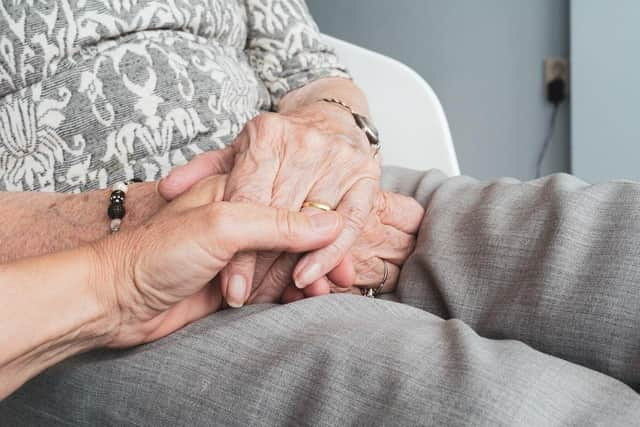

“Older and vulnerable people are more at risk during cold weather conditions. Family members and neighbours can play a vital role in helping to support older people in their communities.
Whether that's by checking in or offering to pick up some essentials from the supermarket - small tasks and points of contact can go a very long way to help those who need it during prolonged periods of bad weather.”
Dawn highlights small but simple things people can do to help support elderly friends, family and neighbours during periods of prolonged cold weather.
Make sure they have adequate heating
“Ideally, living rooms should be heated to 21°C and the rest of the home at around 18°C. Make sure your loved one or neighbour knows how their timer and thermostat works, and that radiators are set to the correct temperature.
Look for and close off any draughts if possible. Regular culprits include letterboxes, cat flaps and gaps in doorways. Add additional seals around them or a draught excluder if needed.
If the home runs on a meter make sure it’s regularly topped up - offer to do a shop run if needed to add funds to a key or card. If someone you know is struggling with bills, contact their local council, Citizens Advice or Age UK office who can provide support and guidance.”
Stock up with food and necessities
“Going out for regular shopping trips can be difficult and even dangerous depending on the weather.
When it comes to getting food in, offer to do a food shop run or organise regular food deliveries. Most major supermarkets have an easy-to-use home delivery service which is worth booking in advance.
Older people are also less likely to use food banks. If someone you know needs help, offer to contact their local food bank on their behalf for assistance. They can provide help, support and access to any necessities.”
Check on medication
“Receiving regular medication for health issues is essential, but poor weather can make it difficult to visit the local pharmacy.
If your neighbour or loved one requires help, a trusted person can pick up prescriptions with their consent. ID may be required, so be prepared. Make sure all relevant parties consent aware for transparency. You can also use online services to manage prescriptions and arrange home delivery.
Make sure they’re stocked up on cold and flu medicines. Paracetamol, ibuprofen, cold, flu and sore throat are all staples to keep in. Addressing cold and flu symptoms as soon as possible can make all the difference.”
Stay bundled up
“Staying warm isn’t just about the heating; warm clothing and extra layers can play an important role in helping people stay warm in their homes.
Wool or fleecy synthetic fibres like polyester over cotton can be a great combination. Layering clothing also helps, so jumpers, zip-ups and cardigans can be a great choice Make sure they have an abundance of warm socks and slippers to keep the chill off.”
Stay in contact
“Being able to stay in contact with others is incredibly important. Schedule regular check-ins to catch up with them and to check they have everything they need.
Make sure they have ready access to a list of people they can contact so they can be social and ask for help if needed. If you're very concerned about someone's health or welfare but don't think it's an emergency, call 111 for advice. If you think someone is at risk, call the emergency services on 999.”